
LIVE WEBINAR FOr PARENTS
When to Step In &
When to Step Back
How to respond to your teen without making things worse
A live online webinar for parents of older children, tweens, and teens who are struggling with anxiety, overwhelm, shutdown, withdrawal, or rising stress.
DATE / TIME
Wednesday 20 May 2026
7:30 pm to 8:30 pm Ireland/UK time
Live Online Webinar
Book early to secure the lower rate.
PRICE
Early Bird: £19
Sold out
Standard: £29
From Thursday 14 May
Book early to secure the lower rate.
🔒 Secure registration • We respect your privacy
Many parents already have some awareness and some tools… but still find themselves unsure in the moment.
When emotions rise, their young person shuts down, or things start to feel tense, they’re left second-guessing what to do next.
This webinar will show you when to step in, when to step back, and how to respond in a way that reduces pressure, avoids escalation, and creates the safety your child needs to open up.
“I used one of the tools that night and my daughter opened up straight away. She even laughed. That never happens.”
- Josh, Parent
Who This Is For
This webinar is for parents and guardians of older children, tweens, and teens who are:
~ struggling with anxiety, overwhelm, low mood, or rising stress
~ withdrawing, shutting down, or becoming hard to reach
~ avoiding school, social situations, or everyday pressures
~ becoming more reactive, irritable, or emotionally sensitive
~ struggling with confidence, friendships, or everyday life
It’s also for parents who are tired of second-guessing themselves and want to know how to respond with more clarity and confidence.
What You Will Learn
This is not about more advice. It’s about knowing what to do in the moment.
In this webinar, you will learn:
~ how to recognise when your child needs support, space, or steadiness
~ when to step in and when to step back
~ how to reduce pressure without becoming passive or backing off too much
~ the common responses that can accidentally increase tension or shutdown
~ what helps your feel safer, less defensive, and more open
~ how to respond in a way that actually helps, instead of escalating things
What This Webinar Will Help You Do
01
Know when to step in
Recognise when your child needs support, steadiness,
or a calm response from you.
02
Know when to step back
Understand when pushing, questioning, or trying to fix things may be adding pressure instead of helping.
03
Make better decisions in the moment
Respond more clearly and confidently, instead of second-guessing yourself when it matters most.
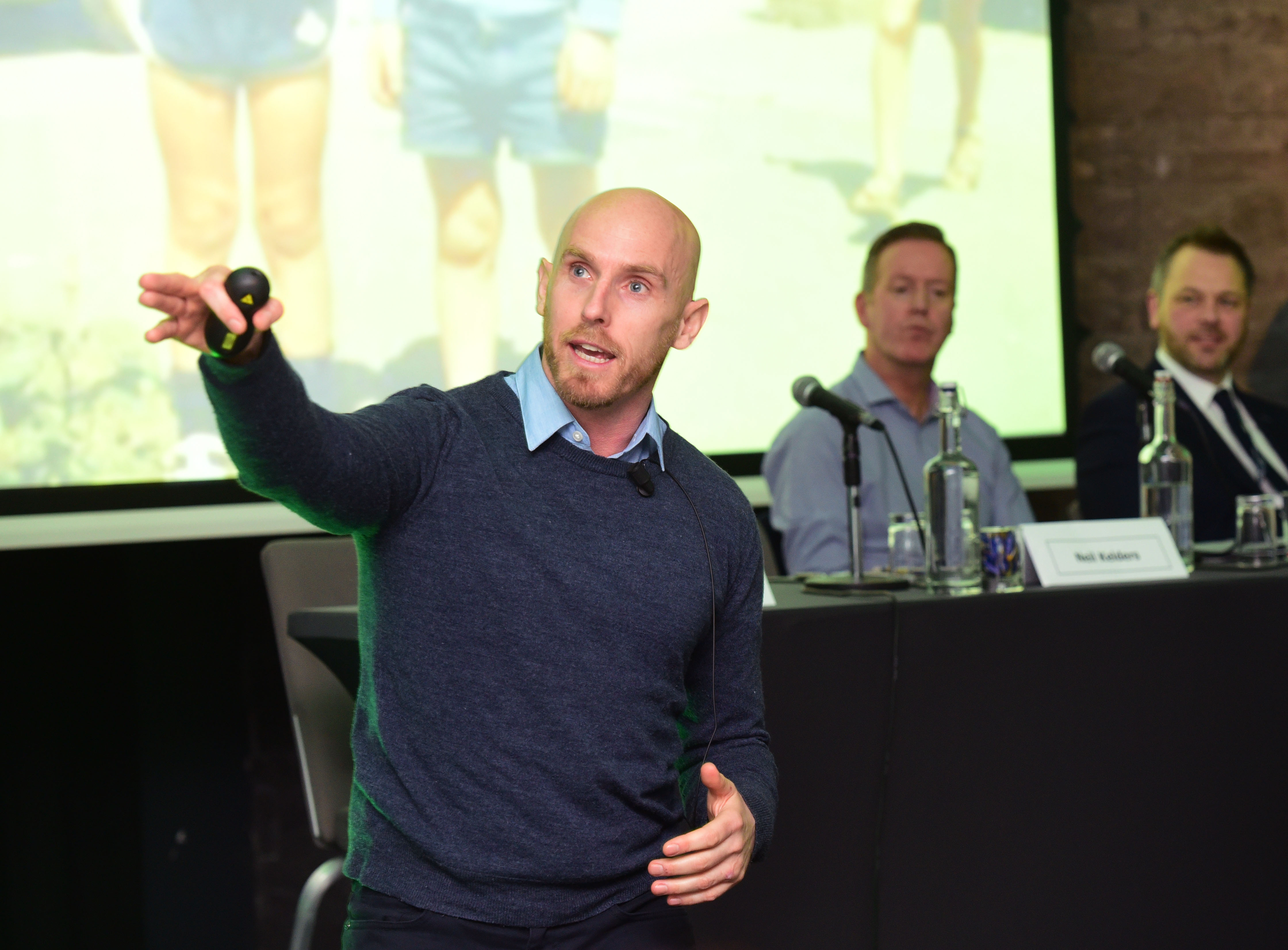
Meet Neil
Hi, I’m Neil Kelders. I’m a lived-experience mental health coach, speaker and NSPCC Lived Experience Advocate.
I spent over 20 years struggling with depression, anxiety, and suicidal thoughts, often feeling like I had to carry it on my own.
That experience now shapes the way I work with parents and young people.
I don’t just share information.
I help people understand what’s actually happening, and what to do next, in real life.
My work focuses on helping parents move from confusion and second-guessing to more clarity, steadiness, and confidence in how they respond when things become difficult at home.
I have spoken for organisations including the World Health Organisation, NSPCC, Mental Health Europe, Ernst & Young, and the Governments of Ireland and the UK.
What Parents Are Saying
“Understanding that silence isn’t rudeness, it’s self-preservation completely changed how I respond.”
“The biggest shift for me was realising I don’t need to fix everything. I just need to listen.”
“We tried it that night and it actually worked. I feel like we’re starting to rebuild connection.”
“To listen and not jump in with solutions… and to be patient with the process.”
Early Bird: £19
Sold out
Early Bird ends in:
Standard: £29
From Thursday 14 May
“I realised I’m not here to fix my child. Just to stay connected.”
- Geraldine, Parent
Spaces are limited to ensure a supportive environment.


